

Heaviness or Tiredness
After long standing or sitting, legs may feel heavy, tight or fatigued — a common early sign of vein dysfunction.
Get advanced, minimally invasive treatment for varicose veins with Laser & Glue technology by Dr. Ambrish Raja — a trusted vein specialist with 1500+ successful cases across India and globally. Say goodbye to leg pain, swelling, visible veins and non-healing ulcers with safe, effective treatment that lets you walk immediately after the procedure.
Serving patients from Bathinda, Mansa, Barnala, Faridkot, Muktsar and across Punjab with modern, non-surgical solutions for varicose veins and venous ulcers.
Varicose veins often start with mild, ignored symptoms that gradually worsen over time. These signs are caused by improper blood circulation in the leg veins, where blood starts pooling instead of flowing back to the heart.
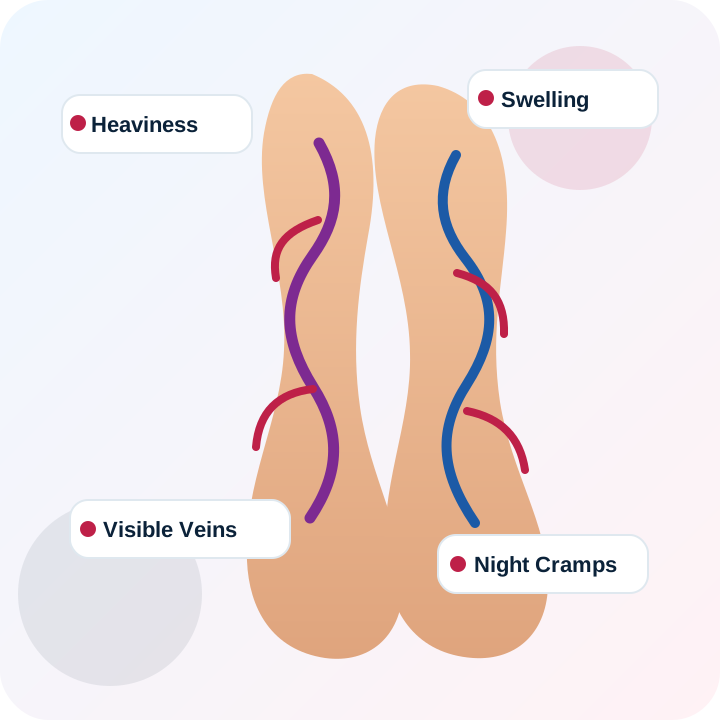
After long standing or sitting, legs may feel heavy, tight or fatigued — a common early sign of vein dysfunction.
Twisted enlarged veins become visible on the skin, especially on calves or thighs.
Persistent irritation around the lower leg due to increased pressure in the veins.
Fluid accumulation after prolonged standing may reduce after rest but keeps recurring.
Sudden cramps and discomfort during sleep can disturb rest and quality of life.
Open wounds near the ankle indicate advanced venous disease and need urgent evaluation.
Varicose veins are enlarged, twisted and damaged veins, most commonly seen in the legs, that develop when the valves inside the veins stop working properly.
Under normal conditions, veins carry blood upward towards the heart with the help of one-way valves. When these valves weaken or fail, blood starts flowing backward and pooling in the veins, leading to swelling, heaviness, pain, burning discomfort and visible blue or bulging veins.
In India, varicose veins are increasing due to long working hours, standing jobs, sedentary routines and lifestyle changes. The condition is often ignored in rural and semi-urban areas until complications appear.
Understand Varicose VeinsVaricose veins develop when the veins in the legs are no longer able to send blood back to the heart efficiently. This root problem is often vein valve failure and venous reflux.
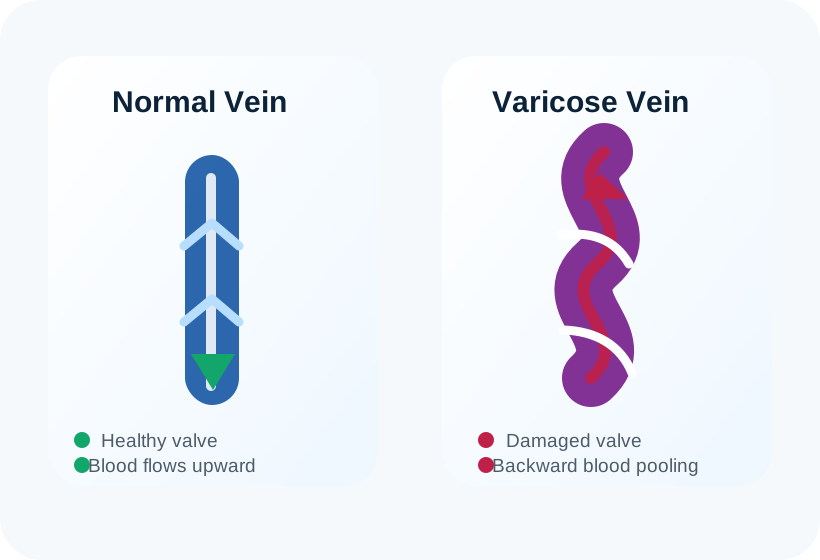 Root Cause: Weak Vein Valves + Increased Venous Pressure
Standing jobs and prolonged sitting increase pressure inside leg veins and reduce calf muscle pumping.
Excess body weight puts additional pressure on pelvic and leg veins, worsening swelling and fatigue.
Blood volume, hormones and pressure from the uterus can weaken vein valves in women.
Family history may mean naturally weaker vein walls, connective tissue and valve structure.
Vein walls and valves naturally lose strength and elasticity with age.
Low activity slows circulation and allows blood to pool in the lower legs.
Varicose veins are not just a cosmetic issue. If left untreated, venous reflux can gradually worsen and lead to painful, long-term health problems.
Dr. Ambrish Raja offers advanced, evidence-based treatments for all stages of vein disease — from mild spider veins to severe venous ulcers.
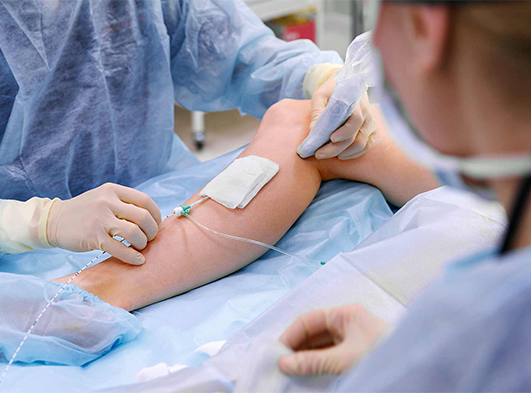
Endovenous Laser Treatment uses laser energy to close damaged veins so blood redirects to healthy veins. It is preferred for large varicose veins, pain, heaviness and swelling.
Know More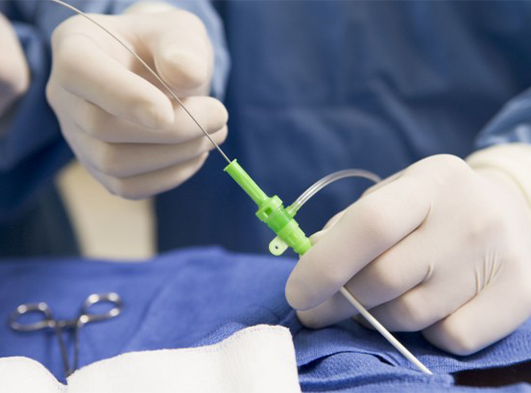
Mechanical Occlusive Chemical Ablation is a non-thermal, non-tumescent option for selected patients who need modern minimally invasive vein care.
Know More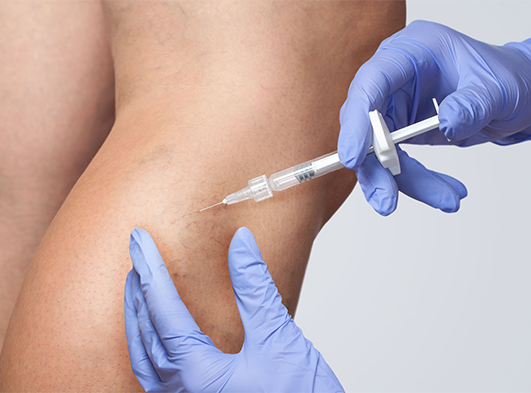
A special solution is injected into small veins so they collapse and fade over time. Useful for spider veins, cosmetic concerns and early-stage veins.
Know More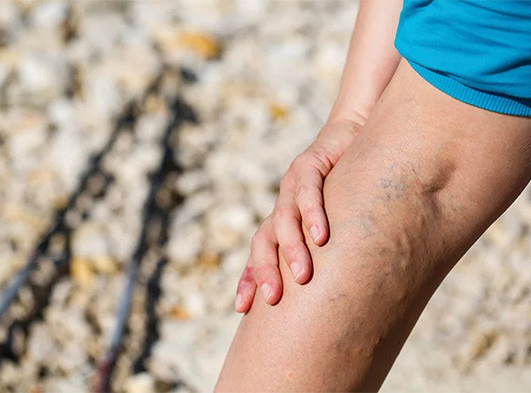
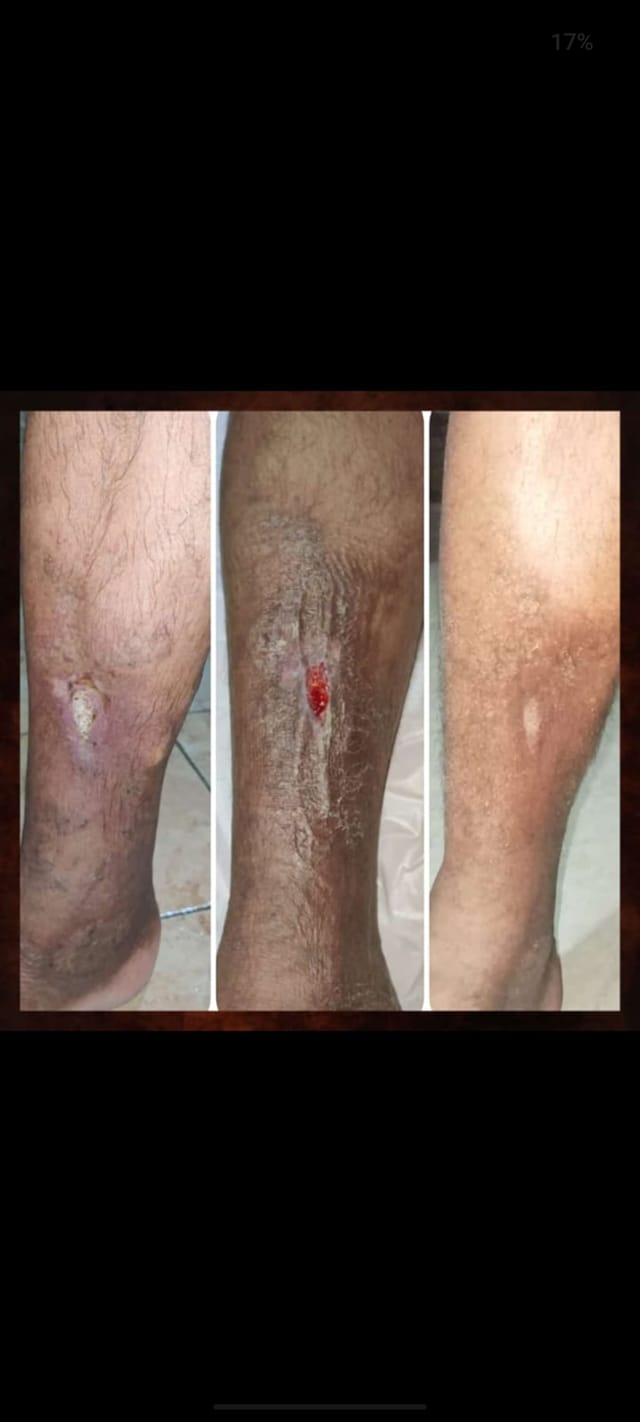
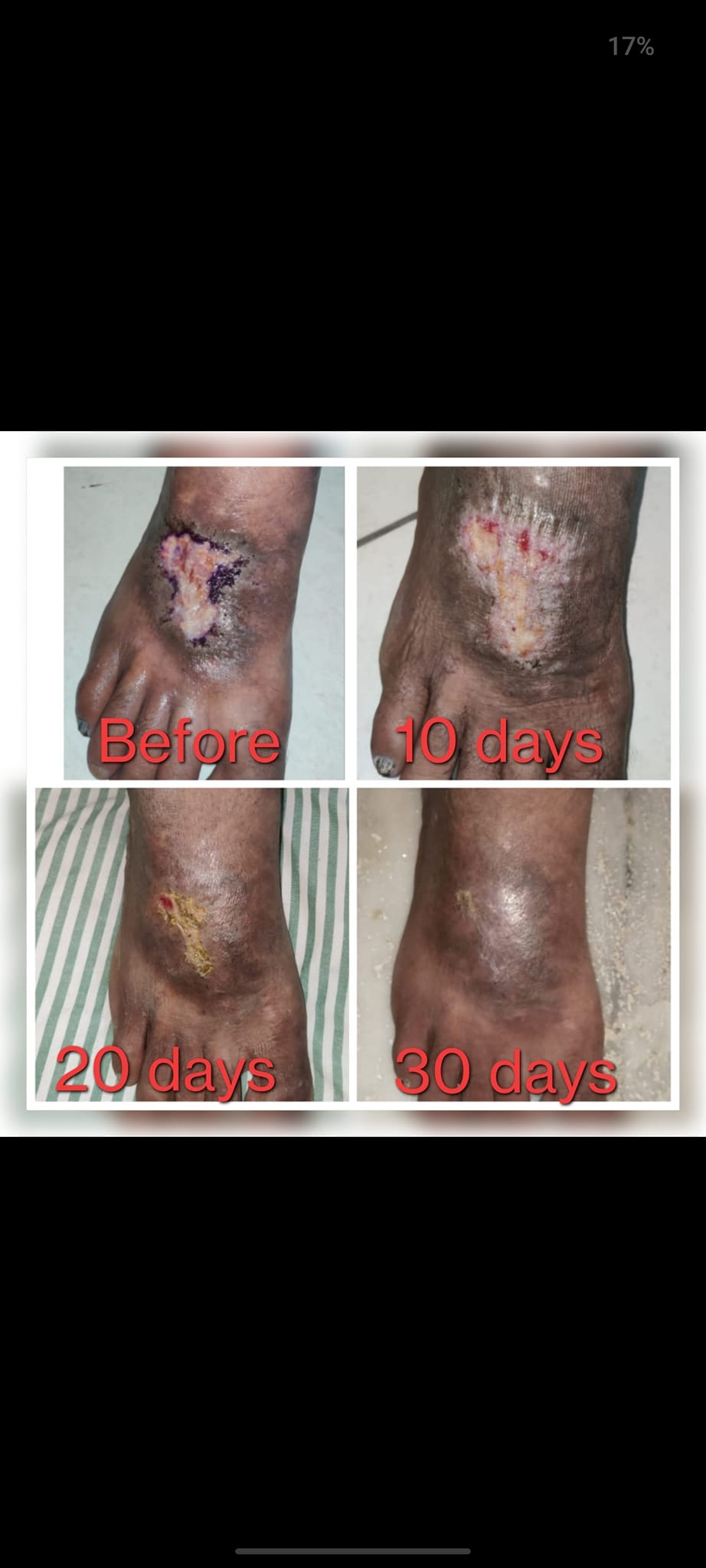
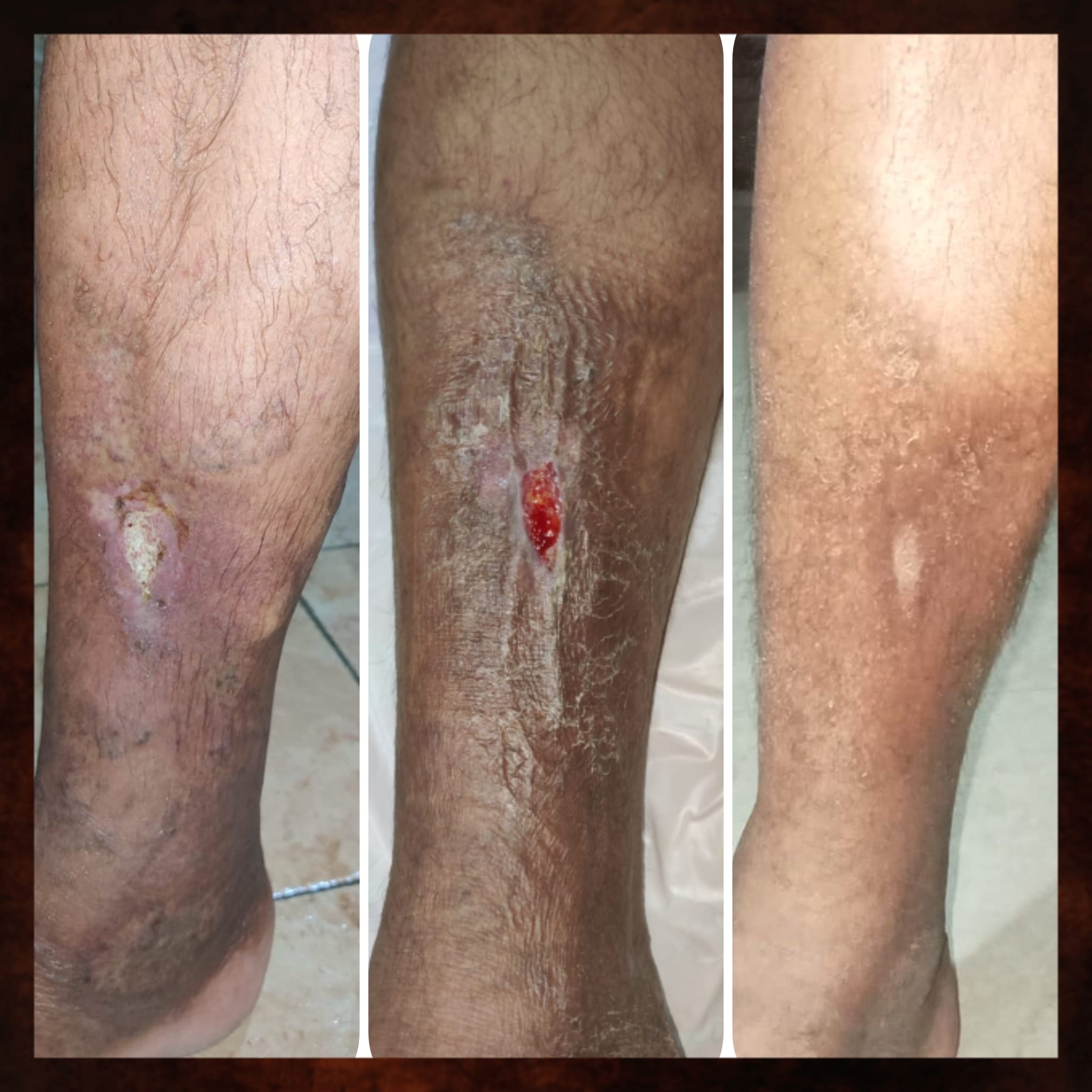
Untreated varicose veins can cause venous ulcers. Treatment focuses on vein reflux, wound care, infection control and long-term relief.
Know More
At Dr. Raja’s Vein & Intervention Clinic, every patient is evaluated carefully to understand the stage of vein disease, symptoms, lifestyle factors, venous reflux and risk of complications before planning treatment.
Experience in early varicose veins, chronic venous insufficiency, skin changes, swelling and venous ulcers.
The focus is not only visible veins, but identifying the faulty vein and treating reflux at its source.
Laser ablation, MOCA, foam sclerotherapy and image-guided diagnosis-driven treatment planning.
Minimally invasive care designed for faster return to daily routine and better long-term relief.
The process is designed to be safe, minimally invasive and focused on long-term relief — not just temporary symptom control.
Symptoms, leg pain, swelling and visible veins are evaluated.
Leaking valves and venous reflux are mapped accurately.
Laser, glue, MOCA or sclerotherapy is selected as suitable.
Diseased veins are closed using minimally invasive methods.
Most patients resume normal life quickly with medical advice.
Varicose veins are more common in people whose daily routine places continuous pressure on the leg veins.
Long standing during classes can cause evening heaviness and ankle swelling.
Standing in one place for long hours increases lower limb pressure.
Extended shifts and repetitive strain can worsen venous pressure.
Field work, lifting and hot conditions can stress leg veins in Punjab.
Long duty hours and limited breaks can affect venous circulation.
Long sitting reduces calf muscle activity and slows blood circulation.
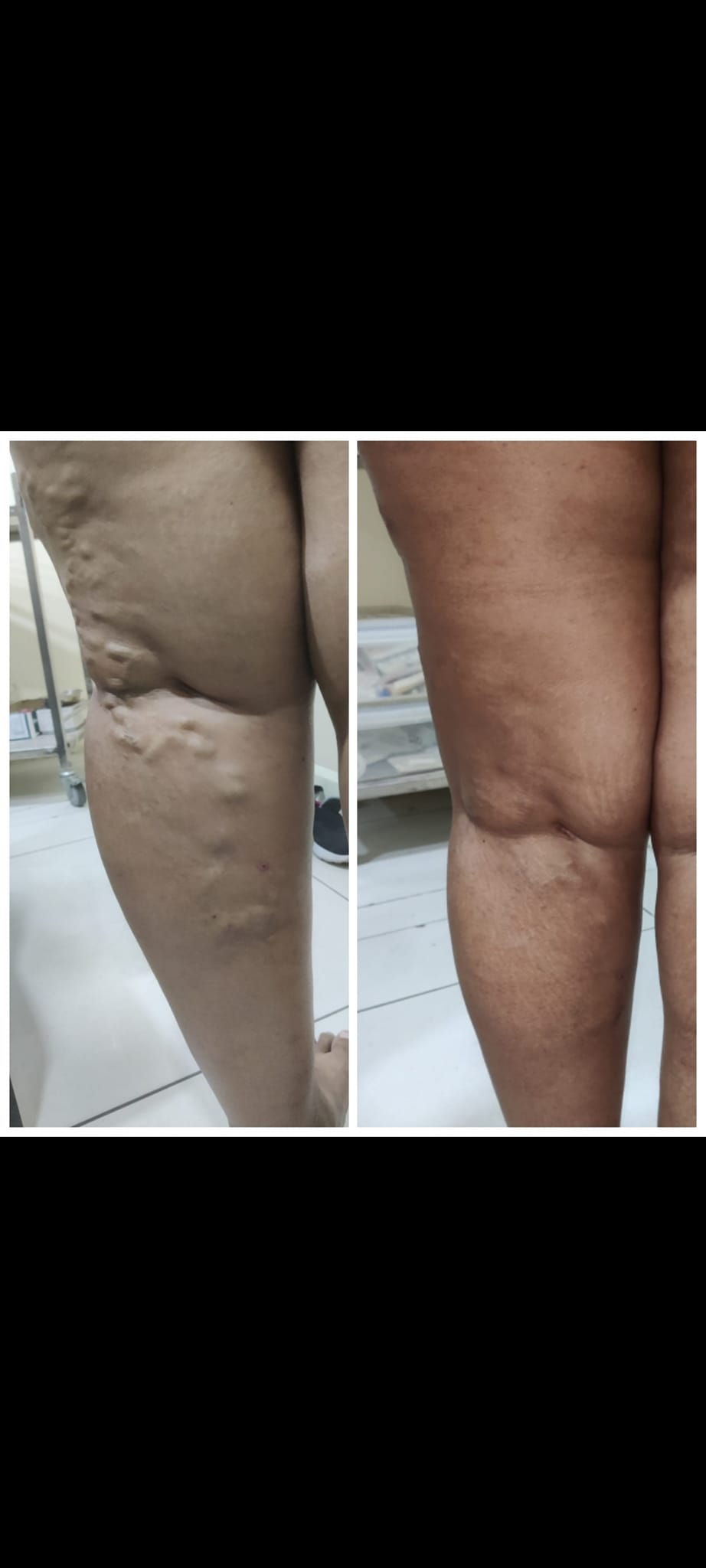
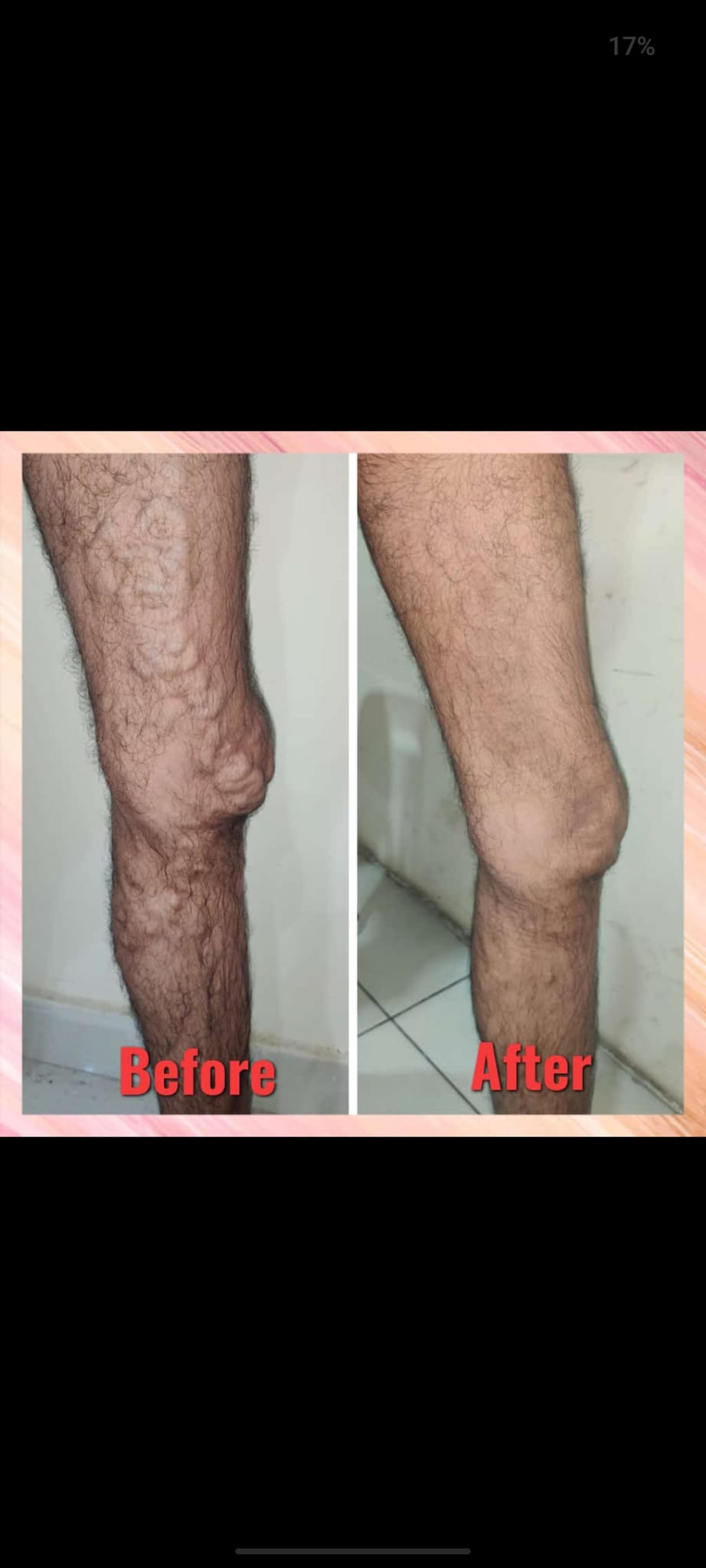
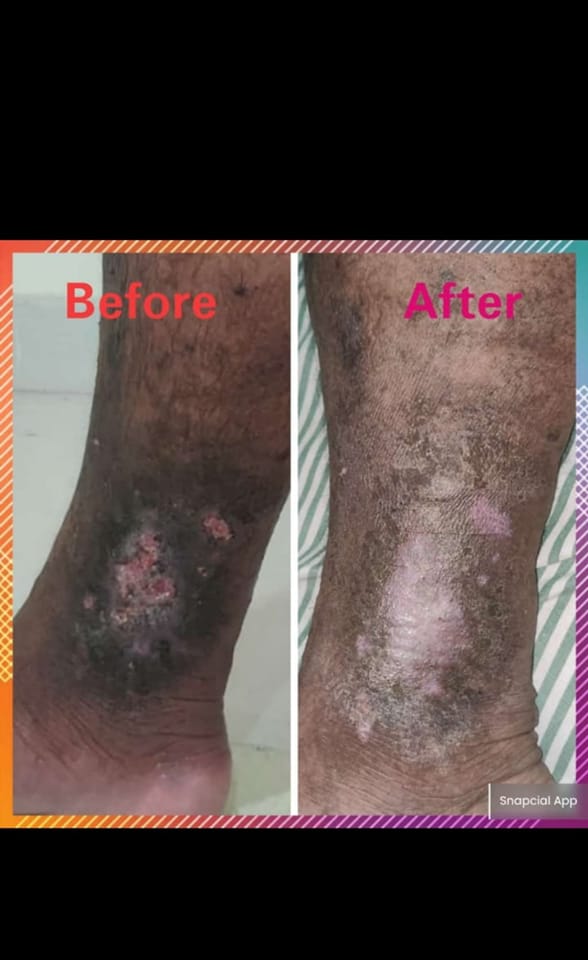
Patients often search online about pain, recovery, walking after treatment, surgery, cost, recurrence and insurance. These answers explain common concerns in simple language.
Our clinic provides advanced varicose veins treatment in Bathinda using modern minimally invasive techniques such as laser treatment, glue therapy and sclerotherapy.
Patients visit us from Bathinda, Mansa, Barnala, Faridkot, Muktsar, Dabwali, Malout, Kotkapura and nearby areas for specialized vein care, Doppler diagnosis and non-surgical treatment options.
Star Imaging, Bhatti Rd, near Beri Wala Baba, Bathinda 151001
Book AppointmentOur clinic offers advanced varicose veins treatment in Bathinda using modern, minimally invasive techniques such as laser vein therapy, glue treatment, and sclerotherapy. These procedures are safe, effective, and designed for faster recovery with long-lasting results.
Patients from Bathinda, Mansa, Barnala, Faridkot, Muktsar, Dabwali, Malout, and Kotkapura trust us for expert vein care, accurate Doppler diagnosis, and non-surgical solutions for varicose and spider veins.
Book Free ConsultationModern varicose vein treatment is quick, safe and virtually painless. Our patients walk out on their own the same day — no cuts, no stitches, no bed rest.
Knowing about your vein disease helps you make better decisions. Watch our educational video to understand how varicose veins develop, what symptoms to watch for, and why early treatment matters.
Your legs contain a network of deep and superficial veins. When the valves inside these veins fail, blood pools and causes varicose veins, swelling and skin changes.
Located deep inside the leg muscles, these carry 90% of blood back to the heart. Deep vein problems can cause DVT.
Lying just under the skin, these are the veins most commonly affected by varicose vein disease and visible bulging.
One-way valves inside veins prevent blood from flowing backward. When these fail, varicose veins develop and worsen.
When vein valves weaken, blood leaks downward (reflux), increasing pressure. This causes veins to dilate, twist and become varicose.
The GSV runs from the foot to the groin. It is the most common vein affected in varicose vein disease and treated with laser or glue.
We map your entire venous system using colour Doppler to identify exactly which veins are leaking before planning treatment.
Everything you need to understand your vein condition — written by Dr. Ambrish Raja, Punjab's leading vein specialist with 1500+ procedures.
Varicose veins are progressive — what starts as mild heaviness or visible veins can slowly turn into pain, skin damage or non-healing ulcers if ignored.
Early diagnosis makes treatment simpler, faster and more effective. Modern treatment options allow you to walk immediately and recover quickly.
Limited daily slots available for consultation.